
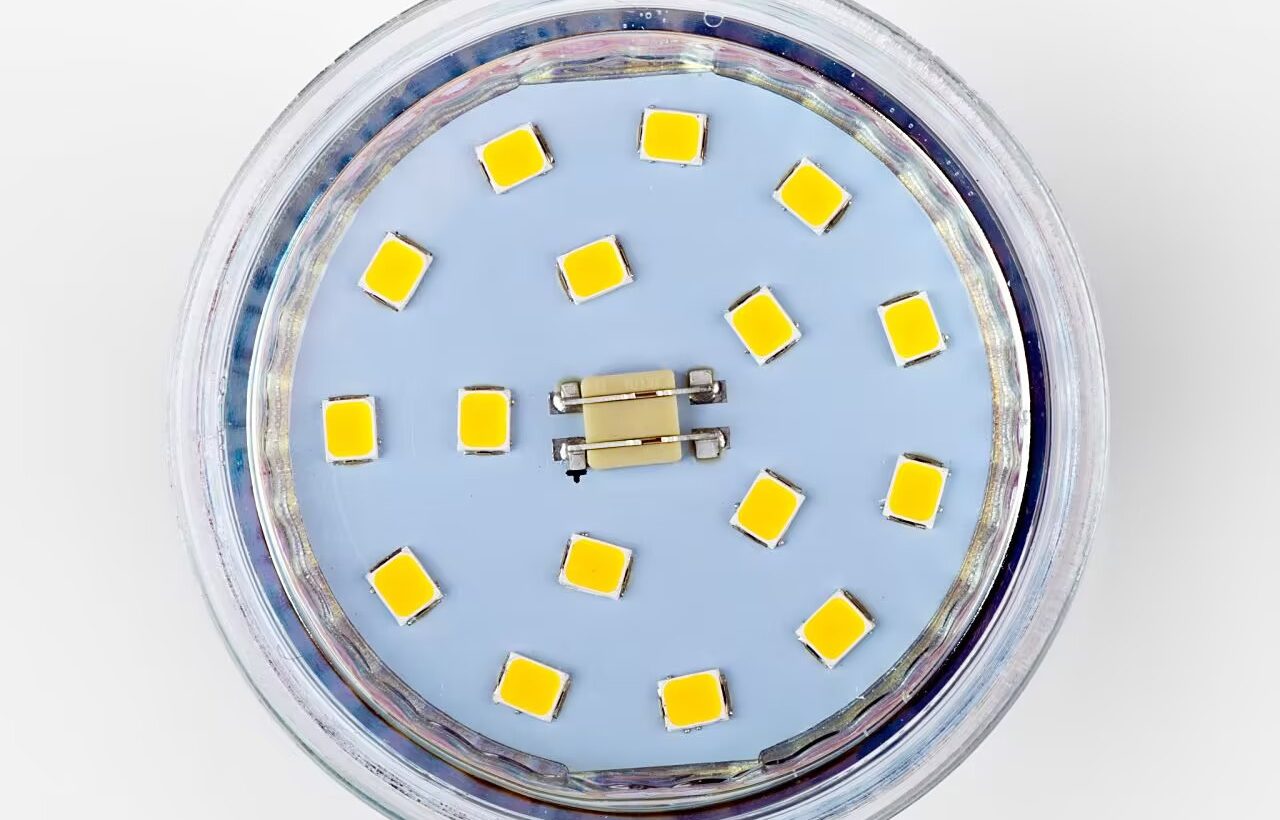
In LED light component manufacturing, a poorly designed assembly line layout is one of the most common efficiency bottlenecks. Even with high-quality placement, printing, and soldering equipment, simple adjustments to workstation arrangement, material storage, and space planning can significantly shorten production cycles, reduce downtime, and boost output for LED bulbs, panel lights, and strip lights.
This guide covers practical, low-cost layout strategies suitable for small workshops and medium-sized production lines—no expensive renovation required.
1. Arrange Equipment in a Straight One-Way Line
LED assembly follows a fixed sequence: printing → placement → soldering → inspection. Arranging equipment in a straight line according to this sequence—with 30–40cm walkways—eliminates transport time loss and reduces the risk of PCB damage caused by scattered workstations.
For double-sided PCB production, add a small flipping station between placement and soldering to maintain continuous flow and minimize manual handling.
Key benefit: A one-way line reduces work-in-progress (WIP) and keeps production moving without backtracking.
2. Split Lines by Product Type to Reduce Changeover Time
When producing multiple LED products, set up dedicated mini-lines for bulbs, strip lights, and panel lights respectively. This prevents efficiency loss on universal lines caused by differences in component size and placement density.
Dedicated lines cut equipment calibration time and help operators master work processes more quickly. For best-selling products, this approach can increase efficiency by 20%–30%.
Key benefit: Dedicated lines reduce changeover time and improve operator proficiency.
3. Store Materials Near Core Workstations
Place materials and consumables such as LED chips, solder paste, and stencils within easy reach of printing and placement workstations. Use labeled bins for small parts and connect solder paste coolers directly to printing machines.
Equipping placement equipment with rotating reel carts can reduce non-production time by 10–15 minutes per hour—a simple change with a measurable impact on throughput.
Key benefit: Proximity storage minimizes walking time and keeps operators focused on production.
4. Place Soldering and Inspection Stations Close By
LED components are heat-sensitive. Keep the distance between soldering ovens/cooling stations and placement equipment within 1 meter to reduce the risk of component shift.
Set up inline inspection stations right after cooling to detect cold solder joints, misplaced components, and other defects early. Catching issues at this stage saves more time and cost than reworking finished products.
Key benefit: Early defect detection reduces rework and scrap rates.
5. Reserve Spare Space for Flexible Upgrades
For peak LED demand seasons, reserve 20% of the production line space for adding placement feeder slots, backup printing machines, and other equipment.
Small workshops can use mobile equipment stands to quickly restructure production lines for sudden orders without full-scale renovation.
Key benefit: Flexible space planning allows rapid scaling during peak demand.
6. Unify Workstation Heights for Ergonomics
Set the height of printing, placement, and inspection workstations to a unified 80–90cm and match with anti-fatigue mats. This avoids efficiency decline and operator fatigue caused by bending or stretching.
Mark fixed positions of equipment and material carts on the floor with tape to prevent production disruption from displacement.
Key benefit: Ergonomic workstations reduce fatigue and maintain consistent output.
Summary
Boosting LED light component production efficiency does not require costly line renovation. By optimizing the existing layout—implementing one-way flow, dividing dedicated product lines, storing materials nearby, and placing soldering and inspection stations close together—you can reduce ineffective time, increase output, and minimize production defects for heat-sensitive LED components.
FAQ
Q: How much space should I reserve for future upgrades?
A: Reserve at least 20% of your production line space for additional feeder slots, backup machines, or mobile equipment stands.
Q: What is the ideal distance between soldering and placement stations?
A: Keep the distance within 1 meter to reduce the risk of component shift caused by heat and vibration.
Q: Can these layout tips work for small workshops?
A: Yes. Most of these strategies are low-cost and easy to implement, even in small workshops with limited space.
 Chinese
  English
Comments are closed.