
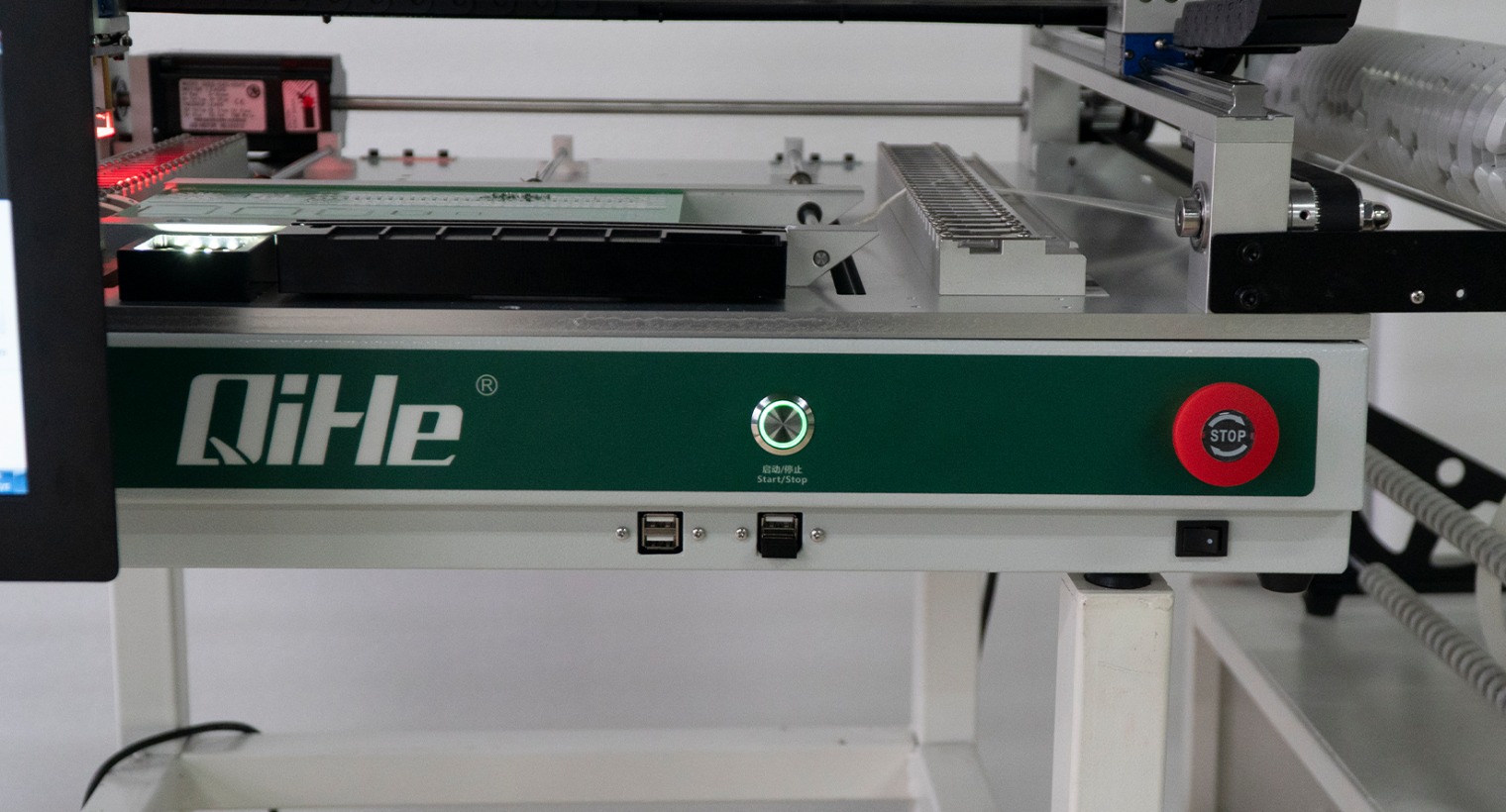
Frequent damage to SMT pick-and-place nozzles in PCB SMT production not only increases consumable costs but also slows down production due to unplanned downtime for replacements. In most cases, the damage is not caused by poor quality, but by overlooked details in nozzle selection, operation and maintenance. Master the following 6 key tips to reduce nozzle wear from the root and cut hidden production costs.
1. Avoid single-dimension selection
Don’t choose nozzles only by component size. Use cushioned nozzles for brittle components, thickened versions for heavy components, and high-precision nozzles for 01005/0201 micro-components. Prioritize original factory nozzles; check material and tolerance for third-party alternatives.
2. Eliminate manual rough operation
Handle and install nozzles gently and store them in dedicated holders to avoid collision and scratch. Set suction and placement pressure based on component types, never raise it blindly. Calibrate the alignment between nozzles and feeders after line change to prevent scratch during material pickup.
3. Regular cleaning to prevent abrasive wear
Solder paste residue and dust can cause abrasive wear to precision parts of nozzles. Perform quick cleaning every 2 hours and thorough cleaning per shift. Clean with a soft brush and special cleaning fluid, unclog fine nozzles with dedicated pins, and air-dry completely before use.
4. Maintain supporting parts synchronously
Loose connecting rods, air leakage in vacuum joints and jamming in nozzle holders will lead to uneven force on nozzles. Check and tighten connecting rods daily, clean and inspect vacuum joints for air leakage weekly, and calibrate nozzle holder precision monthly.
5. Scientific storage for idle nozzles
After line change, store idle nozzles in classified holders by model with clear labels. Apply anti-rust oil and seal for preservation. Keep the storage area away from high temperature, dust and moisture to avoid oxidation, collision and deformation.
6. Establish a wear management ledger
Record nozzle purchase, issuance, damage causes and replacement time, and set a wear threshold (≤5% per month for micro-component nozzles, ≤3% per month for large-spec ones). Refurbish slightly worn nozzles for use in low-precision mounting processes.
Conclusion
Most nozzle damage stems from overlooked details in multiple processes. There is no need to blindly replace nozzles with expensive ones. Implement standardized management in selection, operation, cleaning and maintenance, and you can significantly reduce wear, while improving SMT mounting precision and production efficiency.