
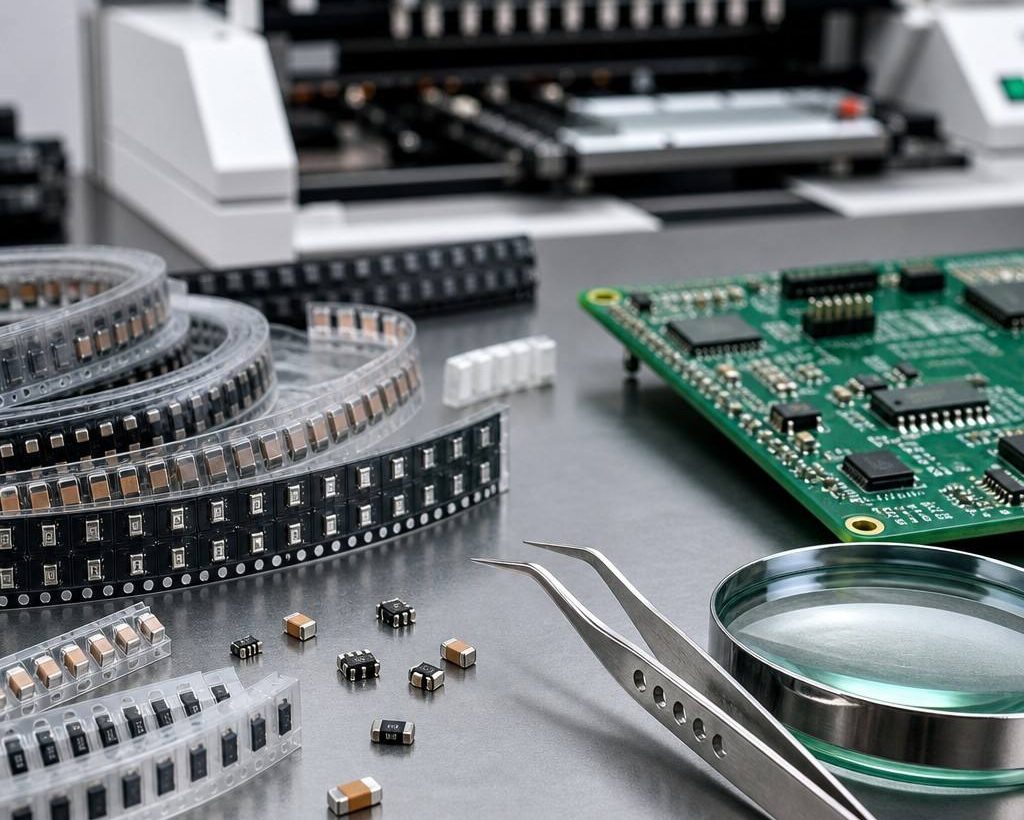
If you run a small-batch assembly operation, you know the pattern: the BOM looks fine, then half the parts are out of stock, the “equivalent” substitute has a different pinout, and the “genuine” IC you found at a discount turns out to be a remark. Component selection in the real world involves trade-offs that datasheets don’t explain.
This guide is for engineers and buyers working with benchtop SMT systems, prototype runs, and low-volume production.
Component Selection Starts With the BOM, Not the Datasheet
Before opening a datasheet, classify each line by risk:
- Customer-specified or single-source parts. Cannot change without approval.
- Critical but substitutable. Multiple manufacturers make acceptable alternatives. Identify them now.
- Commodity parts. Resistors, capacitors, standard connectors. Cost and availability drive decisions.
- Long-lead or hard-to-find items. These will delay your build if you don’t plan ahead.
This takes an hour and saves weeks. When a part goes out of stock—and it will—you already know which lines can flex.
Datasheet Traps When Choosing Electronic Components
Datasheets describe ideal conditions. Your circuit operates in real ones.
Typical vs. maximum. An op-amp with 50 µV typical offset might have 500 µV maximum at temperature extremes. If you need precision across the range, the typical number is irrelevant.
Package and footprint. Two parts labeled “SOIC-8” can have different body widths and pin pitches. Verify the mechanical drawing against your PCB footprint.
Test conditions. A MOSFET’s RDS(on) at 10V gate drive tells you little about its performance at 4.5V. The test conditions are part of the specification.
Application circuit. The recommended external components tell you what the part actually needs. Ignoring them is how prototypes fail mysteriously.
SMT Assembly Factors That Affect Component Choice
Solder paste compatibility. The wrong paste causes bridging and tombstoning regardless of how good your placement machine is. Desktop SMT systems work with mixed-component jobs, so paste open time and viscosity stability matter more than on a high-volume line. Component selection also depends on how the part behaves during the paste and reflow stages, not just on paper.
Feeder reliability. In small workshops, feeder-related problems cause a disproportionate share of downtime. Before committing to a component for a production run, test it in your actual feeders. A part that works in simulation can jam every third placement in reality.
Sourcing: Match the Risk to the Part
Counterfeit components are a real problem, and small-batch buyers are vulnerable because they lack purchasing power for direct distributor relationships.
Critical ICs—MCUs, power management, BGA/QFN. Use authorized distributors. If you must go to the open market, require a Certificate of Conformance, lot and date code documentation, and test incoming material.
Passives and commodities. Competitive pricing from multiple sources is fine. The risk of a counterfeit 0603 resistor is low; the cost of over-verifying it is high.
Safety-critical or hard-to-rework applications. Budget for testing. Visual inspection, X-ray, and electrical testing are not optional when failure means full board rework.
Lifecycle Status: The Slow-Moving Disaster
A significant percentage of designs require part replacement before production due to obsolescence. Check lifecycle status—Active, NRND, Obsolete—before committing.
The practical mitigation: qualify alternates early. When you select a component, also select at least one pin-compatible alternate you’ve verified. Document what “equivalent” means—same package, same pinout, same critical parameters—so you can swap without a full engineering review.
Pre-Order Checklist
- Full orderable part number matches the BOM, including package suffix and temperature grade.
- Datasheet parameters reviewed for guaranteed limits, not just typical values.
- Package drawing verified against your PCB footprint.
- Lifecycle status checked—preferably Active.
- Source channel appropriate for the part’s criticality.
- Traceability documentation available for high-risk parts.
- Test plan defined if the source is not fully authorized.
None of this is glamorous. It’s the difference between a build that ships on schedule and one that stalls while you hunt for a replacement for a discontinued regulator.workshops like yours.
-
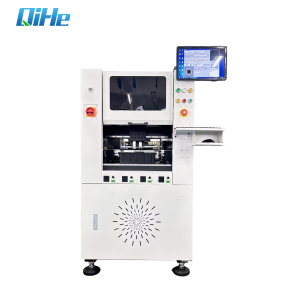
 Single Rail Cap Pulling Machine RH02
 -
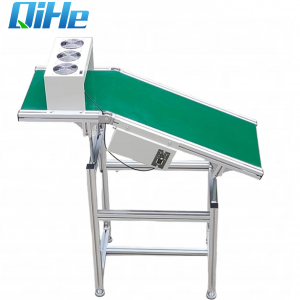
Wave soldering output conveyor QJ400-BO
-
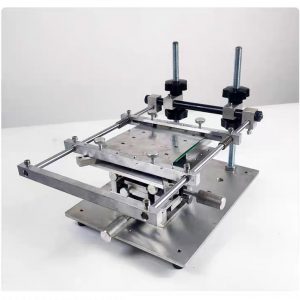
Benchtop Manual Smt Frameless PCB Solder Paste Stencil Printer Printing Machine
-
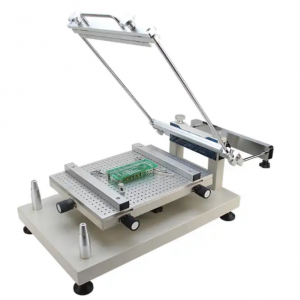
SMT Manual Frameless Pcb Solder Paste Stencil Printer
-
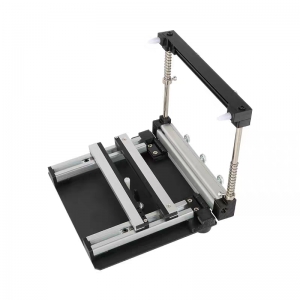
SMT frameless steel stencil screen printing table
-
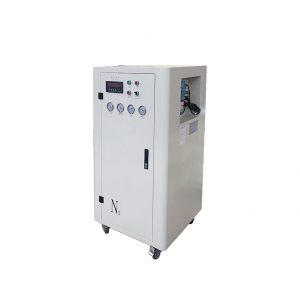
Nitrogen generator, used for selective welding
-
Desktop selection welding QSO-300B
-
Desktop Selective Wave Soldering Machine QH-SHSS341
-
SMT semi-automatic pick and place machine with Dispenser
-
SMT X-Ray Intelligent Item Counting Machine
-
Single Rail Cap Pulling Machine RH02
-
Wave soldering output conveyor QJ400-BO
-
Benchtop Manual Smt Frameless PCB Solder Paste Stencil Printer Printing Machine
-
SMT Manual Frameless Pcb Solder Paste Stencil Printer
-
SMT frameless steel stencil screen printing table
-
Nitrogen generator, used for selective welding
-
Desktop selection welding QSO-300B
-
Desktop Selective Wave Soldering Machine QH-SHSS341
-
SMT semi-automatic pick and place machine with Dispenser
 English
  Chinese